

No-oil cooking
No-oil and less-oil Indian recipes
Zero oil where the dish allows it, less oil where it does not — with the cooking shown on camera rather than described.
The dishes below were published with “no oil” or “zero oil” in their own titles: a dry, properly hot pan, whole spices roasted rather than bloomed in fat, and a splash of water where a recipe would reach for the bottle. The title is the test used to collect them, so nothing on this page has been re-labelled by us.
The rest of the kitchen is not oil-free, and this page does not claim it is. What the videos show is the amount coming down without the dish turning into something else — because oil is the part of an ordinary Indian day that adds no protein, no fibre and no volume, and it is possible to spend 300 calories on it before anyone has fried anything on purpose.
5 dishes
Every dish published with this label
Newest first. The play button starts the video here; the dish's name opens its own page, where the description published with it is.
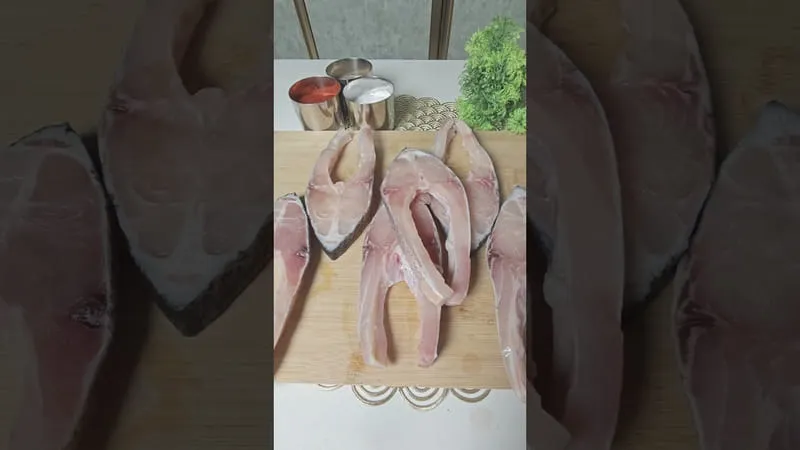
Crispy Fish Fry 🐟🔥 | Easy & Healthy Recipe| 5 minutes recipe| zero oil
Crispy Fish Fry in just 5 minutes! 🐟🔥
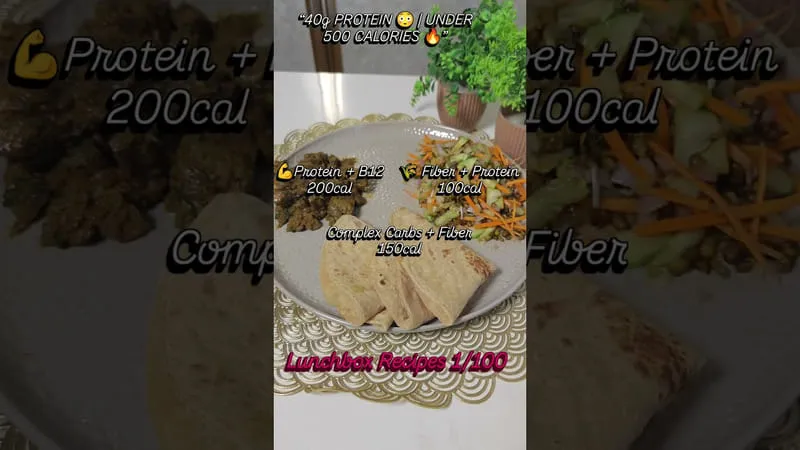
40g Protein Indian Lunch Under 500 Calories 🔥 | Zero-Oil Mutton Liver pepper fry
A simple, filling and protein-packed Indian lunch that comes in at under 500 calories! 💪🔥
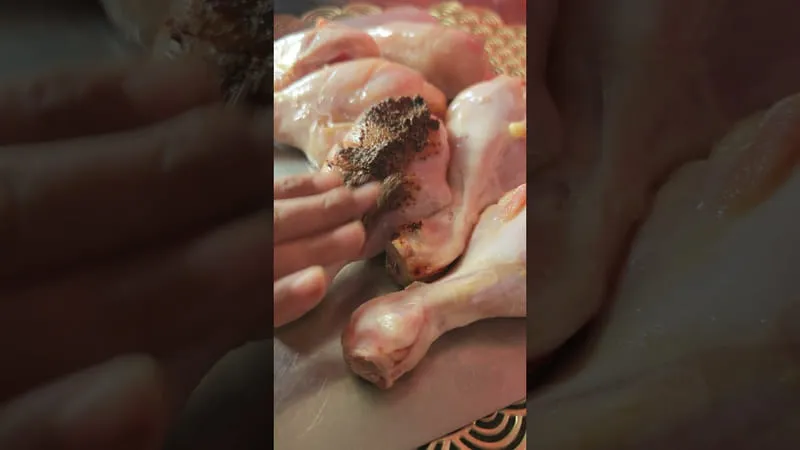
🔥 NO OIL Pepper Soya Chicken 🍗🌶️
🔥 NO OIL Pepper Soya Chicken 🍗🌶️ Craving bold flavors without the extra oil? This No Oil Pepper Soya Chicken is juicy, protein-packed, and bursting with the rich taste of…
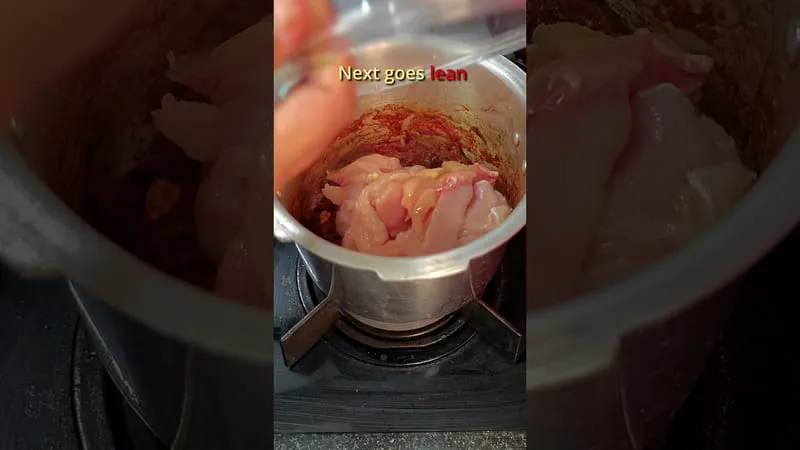
Chicken Haleem | Zero Oil | Ramadan Special
Learn how to make High Protein Chicken Haleem with ZERO oil — a healthy version of traditional haleem perfect for Ramadan, weight loss and muscle gain diet.
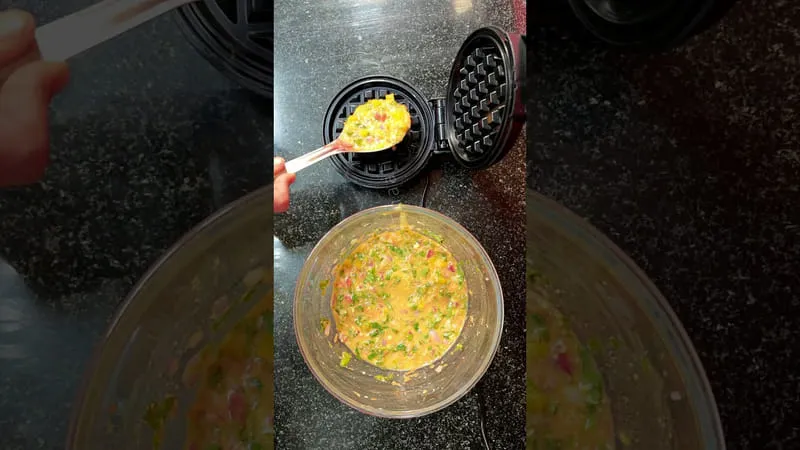
High Protein Egg Waffle 🧇 | Zero Oil Breakfast | Healthy & Weight Loss
Looking for a healthy, zero oil, high protein breakfast? 🧇💪 Try this super easy Egg Waffle recipe made without oil! Perfect for weight loss, muscle gain, and clean eating…
4 posts
The writing behind the recipes
Longer pieces on the same subject, from the blog — the numbers, the technique and the parts that are easy to get wrong.
The banana leaf fish fry: bangda, and the case for more fish in the week
Indian mackerel wrapped in a banana leaf and cooked with a fraction of the oil a fry usually takes — what one portion carries, the plate it lands on, and what we are not claiming.
A breakfast that holds until lunch: the 400-calorie plate, and the oil breakfast hides
Two filmed breakfasts and the arithmetic they share: what makes a first meal last until one o'clock, where the oil at breakfast quietly goes, and what a light breakfast costs.
Cooking without oil, pan by pan: roti, sabzi, dosa, and what still needs fat
What actually works on a hot dry pan and what does not, dish by dish, with the technique for each — and the three places a teaspoon of fat is still worth spending.
Cooking with less oil: where the oil actually hides in an Indian kitchen
A teaspoon of oil is about 40 calories, and most kitchens spend ten of them without noticing. Here is where the oil goes, what to change first, and how to keep the flavour while you do it.
The numbers
Where the oil goes, and what to change first
A teaspoon of oil is 5 ml — about 4.5 grams, which is about 40 calories. Everything else here is that number, multiplied.
Roast the whole spices dry first. Cumin, mustard seeds and dried chilli bloom perfectly well in a hot dry pan, and a teaspoon of oil added at the end then contributes flavour rather than heat.
Give the onions water, not oil. They soften because they lose water, not because they are sitting in fat; a splash with the lid on does the same job in about the same time.
Preheat properly. Food that hits a lukewarm pan sticks, and the reflex when it sticks is to add more oil.
Change one dish rather than the whole kitchen. Halving the oil in the sabzi you cook every day is roughly 100 to 150 calories a day — often more than people manage by giving up something they like.
What this page is not: a claim that oil is bad for you, or that a zero-oil dish is always better than one cooked with oil. A teaspoon of mustard oil over a finished dal is 40 calories of flavour that makes the rest of the plate more likely to be eaten — and most of the recipes we film still use some, deliberately.
Questions
Asked about this way of cooking
Can an Indian dish really be cooked with no oil at all?
Is a no-oil diet healthier than cooking with oil?
Do these dishes come with calorie counts or ingredient tables?
HealThaali offers general nutrition information and meal guidance. It is not a medical device and does not diagnose, treat or cure any condition. Always follow the advice of your own doctor or dietitian.
Keep cooking
The other ways to cook this way
Each page is collected the same way: a rule over the titles the channel published, applied to every dish in the library.
Cook it, then log it
The recipes are free to watch. The app is where a plate gets counted against your own targets, and where the plan adjusts if a week goes sideways.
HealThaali is in active development. Links go live the moment the app is published — until then these buttons are switched off on purpose rather than pointing at a placeholder.